Coloring Pages for 2-Year-Olds: What Works
Start with the page, not the rule
Two-year-olds are often more interested in making a mark than filling a particular area. That is a useful place to begin. A coloring page can be a friendly invitation to try crayons, notice a shape, or sit together for a few quiet minutes. It does not need to become a test of staying inside a line.
Many printable pages make this harder than it needs to be. Tiny enclosed spaces, thin outlines and crowded scenes ask a lot before the child has even made the first mark. A two-year-old may press hard, change direction suddenly, cover one patch again and again, or decide that the table needs a turn. Those are ordinary ways to explore a drawing tool.
What to look for
Choose one large subject with a clear outline. A sun, a snail, a whale or an apple is easier to recognize than a scene filled with objects. Thick lines give the child a visual edge to work around, but they also make the printed page feel less fussy. Plenty of white space gives every mark somewhere to go.
The first CrayonSprout pages are drawn around that idea. The smiling sun has eight broad rays. The snail has one oversized swirl. The whale has three drops in its spout. These are small details children can spot, name and count if they want to, without turning the page into a worksheet.
Set up for a good first go
Print at actual size rather than shrinking the page. Offer just a few crayons at first, ideally chunky ones that are comfortable to hold. Put the paper on a stable, low surface and stay close enough to share the moment, not close enough to direct every choice. A short coloring session is completely enough.
Try saying what you notice instead of correcting the result: “You picked a bright blue,” or “That line went all the way across the sun.” If the child changes pages after a minute, that is fine. The page is there for play, not completion.
Keep the next step easy
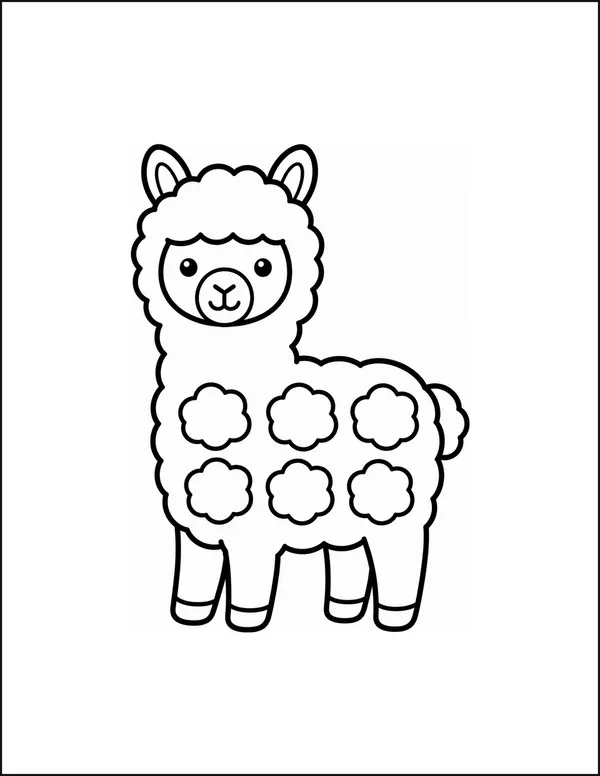
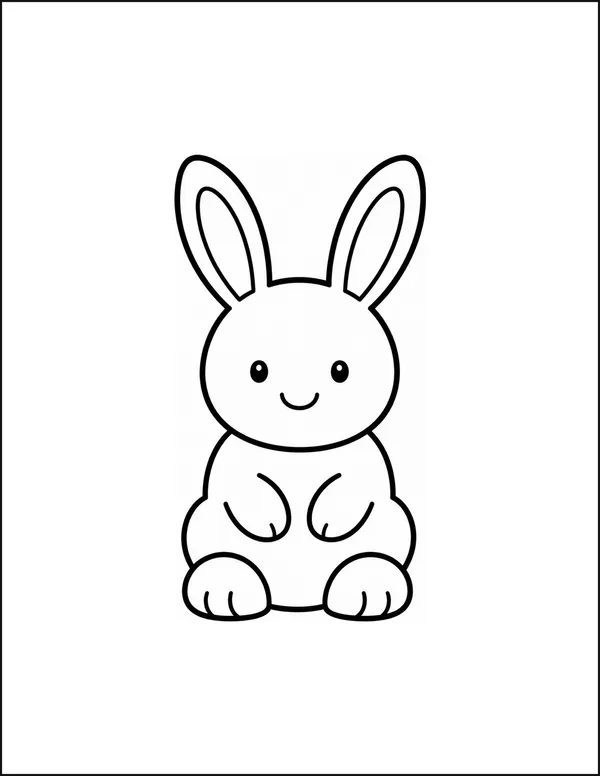
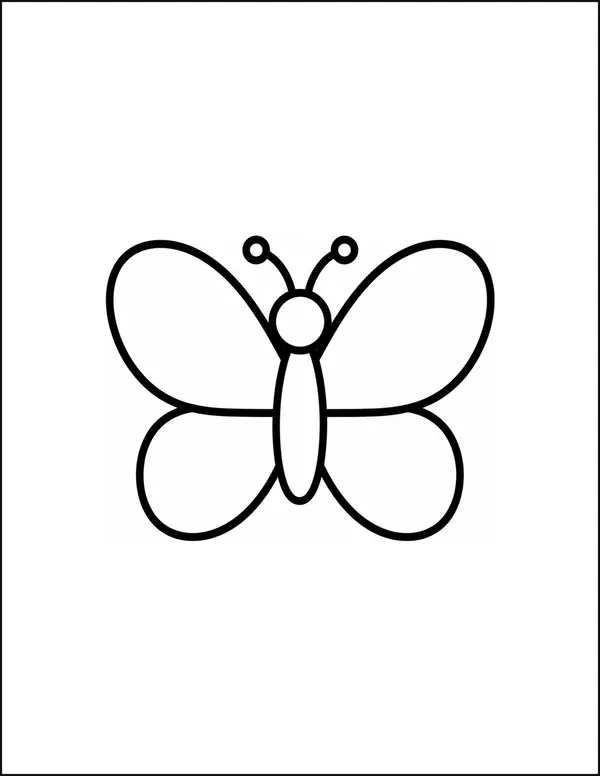
When a page is finished—or simply interesting enough for now—choose another one with the same calm shape. You can move between the butterfly, bunny, and alpaca without introducing smaller, busier areas. Over time, a child may ask for more details. Until then, bold and easy is plenty.
A little more time at the table
A page works best when the setup stays small. Put the paper where it will not slide, offer two or three crayons, and let the child decide where the first mark goes. You do not need to demonstrate a finished picture. If a child wants to make a single blue patch and then move on, the page has still done its job: it provided a clear place to explore a tool.
It can help to name one visible detail without turning the activity into a quiz. On the smiling sun, you might notice a ray. On the snail, you might trace the shell path together. On the whale, you could count the three drops. Stop if the child is no longer interested. A short, self-directed turn is more useful than trying to stretch the activity until the whole page is colored.
Paper and print settings also affect the experience. Print the matching Letter or A4 PDF at actual size or 100 percent. Shrinking a page makes the generous spaces smaller than intended. Regular copy paper is enough for crayons and pencils. If markers are likely, use a heavier sheet or place spare paper underneath. The goal is a page that feels ready when a child reaches for it, not a perfect display piece.
Some children will be ready for busier artwork sooner than others, and age labels are simply a helpful starting point. If a page feels easy, that is not a problem. Repeating a familiar shape can be reassuring, and a child can make a new choice each time. When more detail sounds appealing, choose it gradually. For now, a bold outline and one friendly subject are plenty.
One useful way to choose the next page is to watch which feature attracts attention. A child who points at circles may enjoy the daisy or car wheels. A child who follows a curve may return to the snail. This is observation, not a test. It simply keeps the next choice connected to what already felt interesting. Keep crayons within reach, keep the page uncluttered, and allow the finished picture to look exactly like the child intended.